The Art of Visual Composition
Mathematical Balance
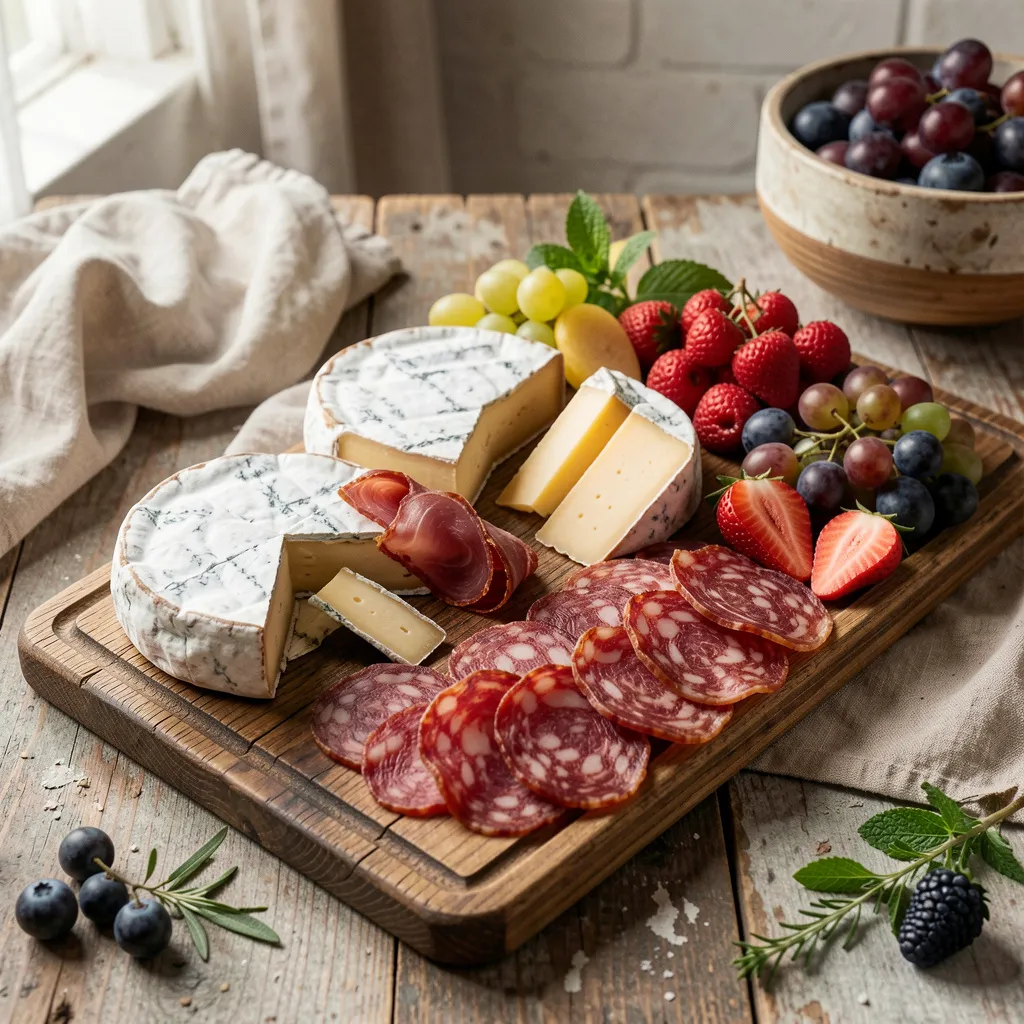
Every plate follows the principle of visual centroid calculation. Elements are positioned not by chance, but through careful analysis of mass distribution and spatial relationships.
The arrangement considers negative space, color contrast, and geometric harmony to create compositions that resonate with viewers on both conscious and subconscious levels.
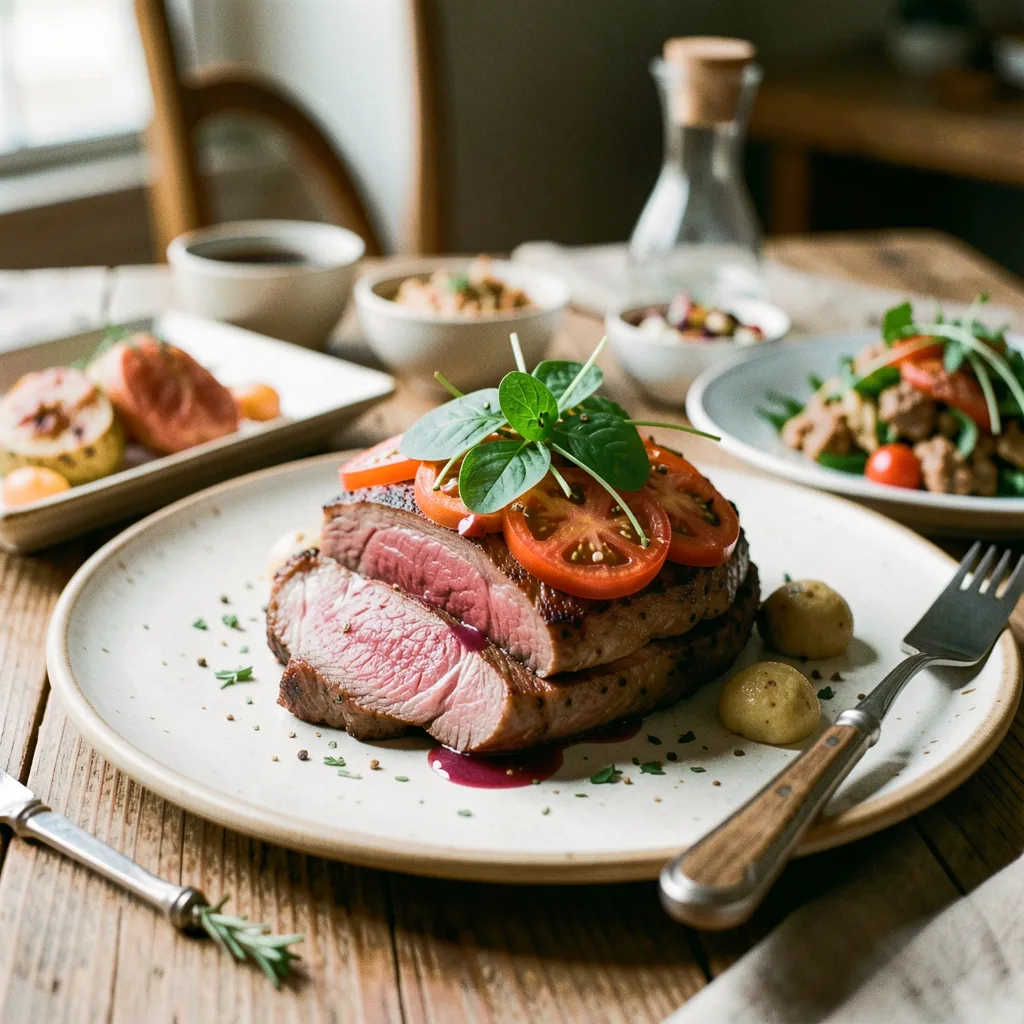
Texture Exploration
Surface Studies
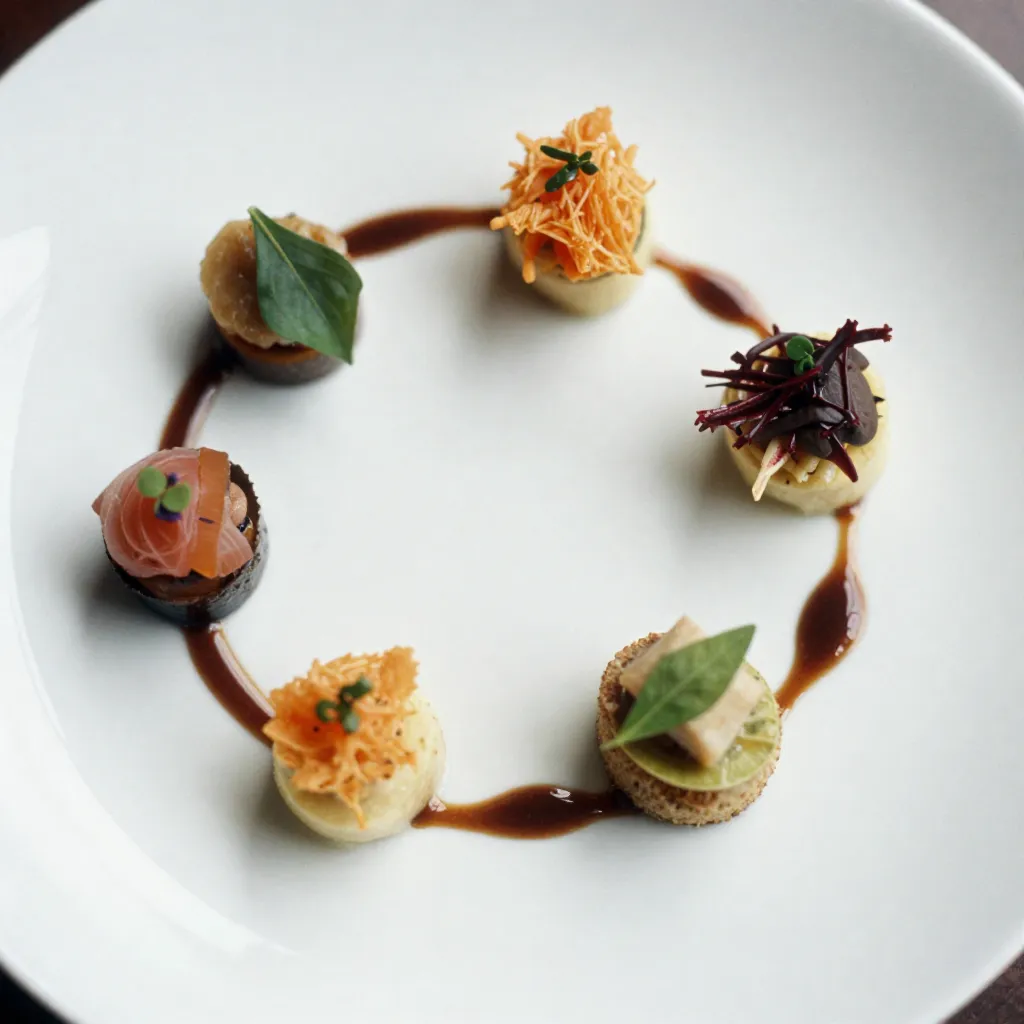
Macro photography reveals the intricate textures that define culinary character. Each surface tells a story of preparation and presentation.
Contrast Elements
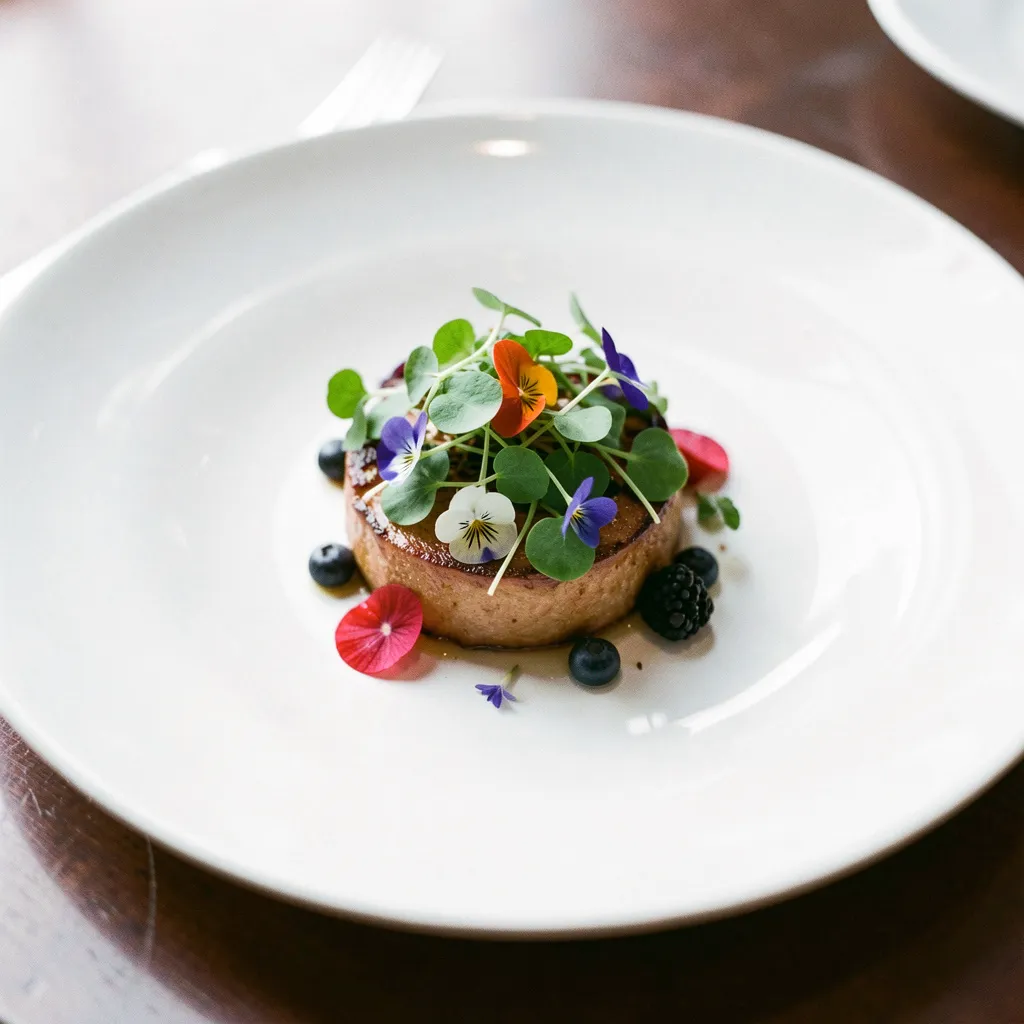
The interplay between smooth and rough, glossy and matte creates visual interest that guides the eye across the composition.
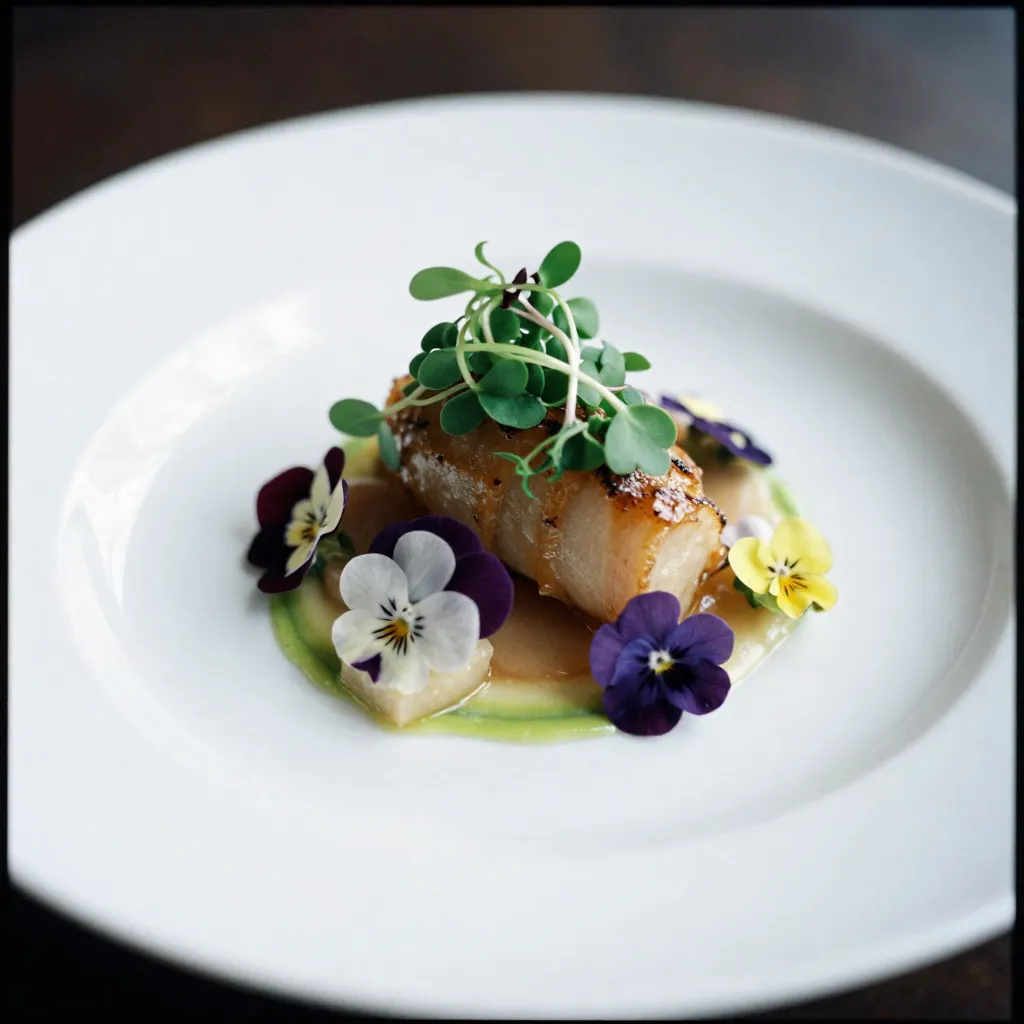
Depth Perception
Layering techniques and lighting strategies enhance the three-dimensional quality of two-dimensional images.
Lighting Architecture

Natural Illumination
Working with available light sources requires understanding how different angles and intensities affect the perception of food. Natural light brings authenticity while maintaining visual appeal.
Each setup is calibrated to highlight specific elements while maintaining overall harmony. The goal is illumination that feels effortless yet deliberate.
Color Theory Application
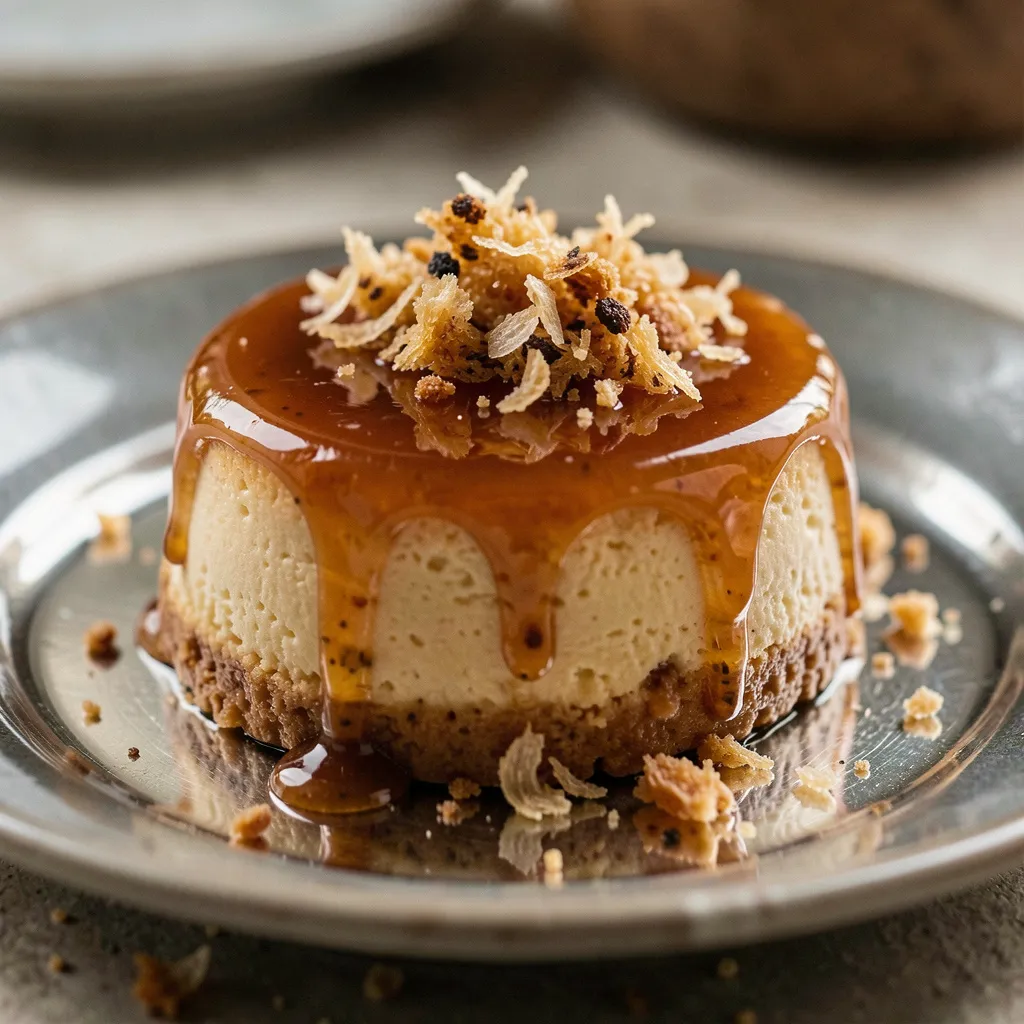
Palette Selection
Color choices influence mood and appetite. Strategic use of complementary and analogous colors creates visual cohesion.
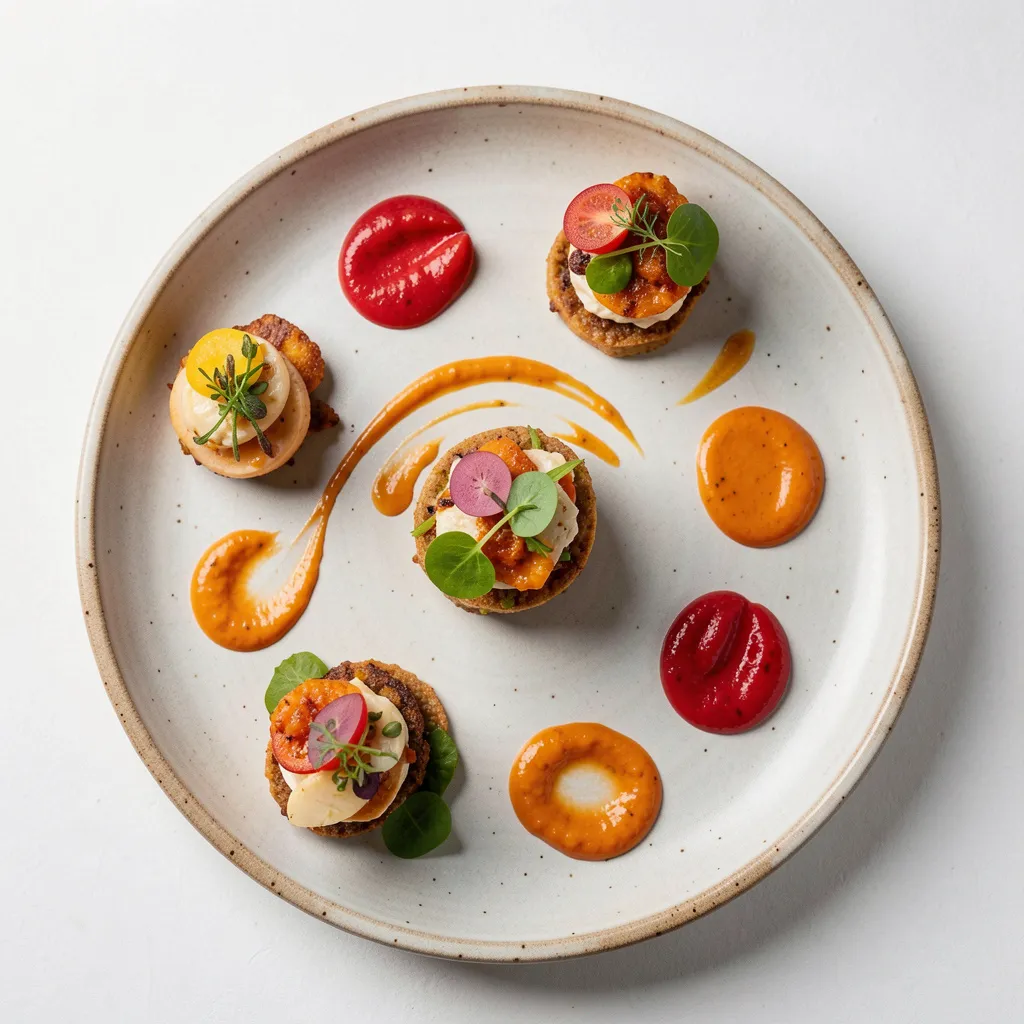
Monochromatic Schemes
Single-color variations create sophisticated compositions that emphasize form and texture over chromatic diversity.
Technical Precision
Equipment & Methodology
Professional food styling requires specialized tools and techniques. From precision tweezers to steam machines, each instrument serves a specific purpose in achieving the desired visual outcome.
The process involves careful planning, multiple iterations, and attention to detail that transforms raw ingredients into photographic subjects worthy of documentation.
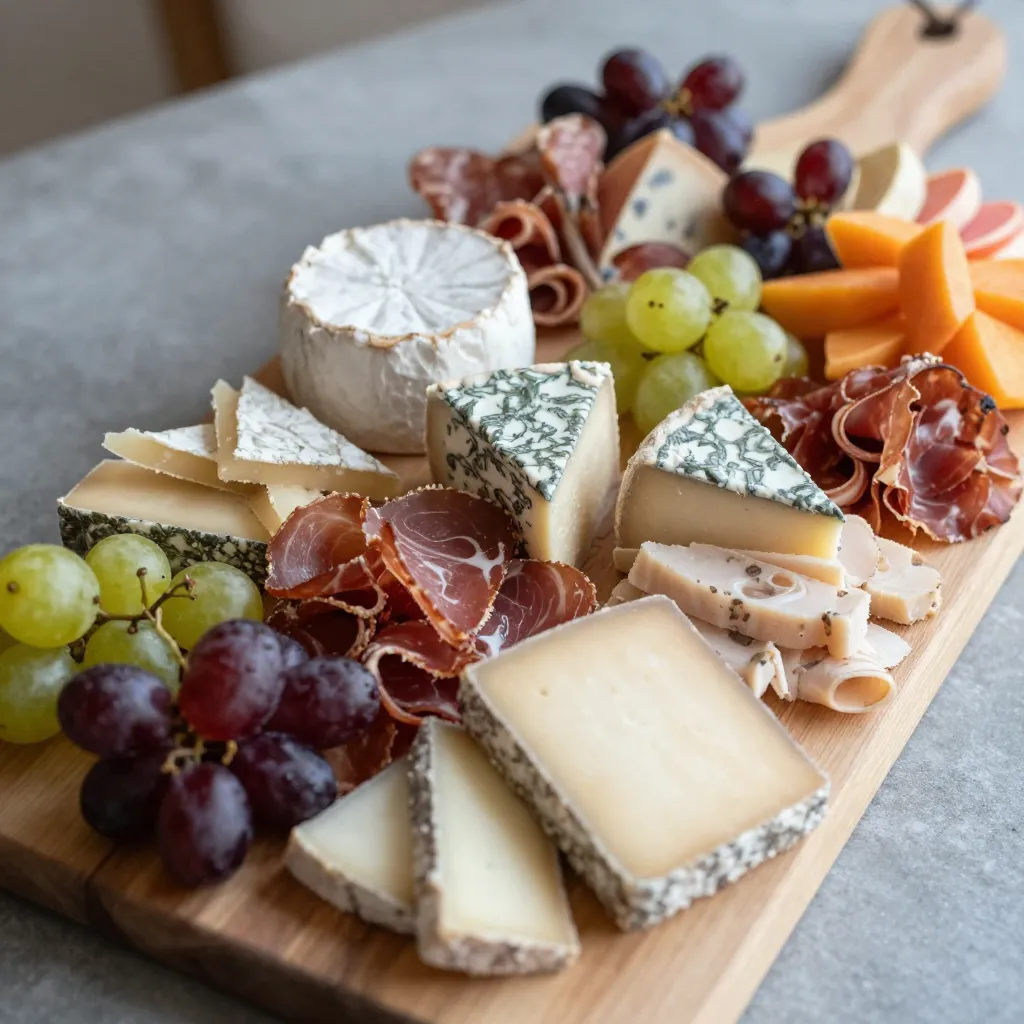
Collaborative Process
Project Approach
Food styling is a collaborative discipline that brings together culinary expertise, photographic vision, and design sensibility. Each project begins with understanding the client's objectives and the intended audience.
Initial consultation establishes visual direction and technical requirements. Planning includes prop selection, color scheme development, and lighting strategy.