Lighting Architecture
Rig Configuration
Professional food photography requires precise lighting control. Multiple light sources are positioned to create depth, eliminate unwanted shadows, and highlight specific elements.
Each setup is calibrated to the specific composition. The angle, intensity, and color temperature of each light source are adjusted to achieve the desired visual outcome.
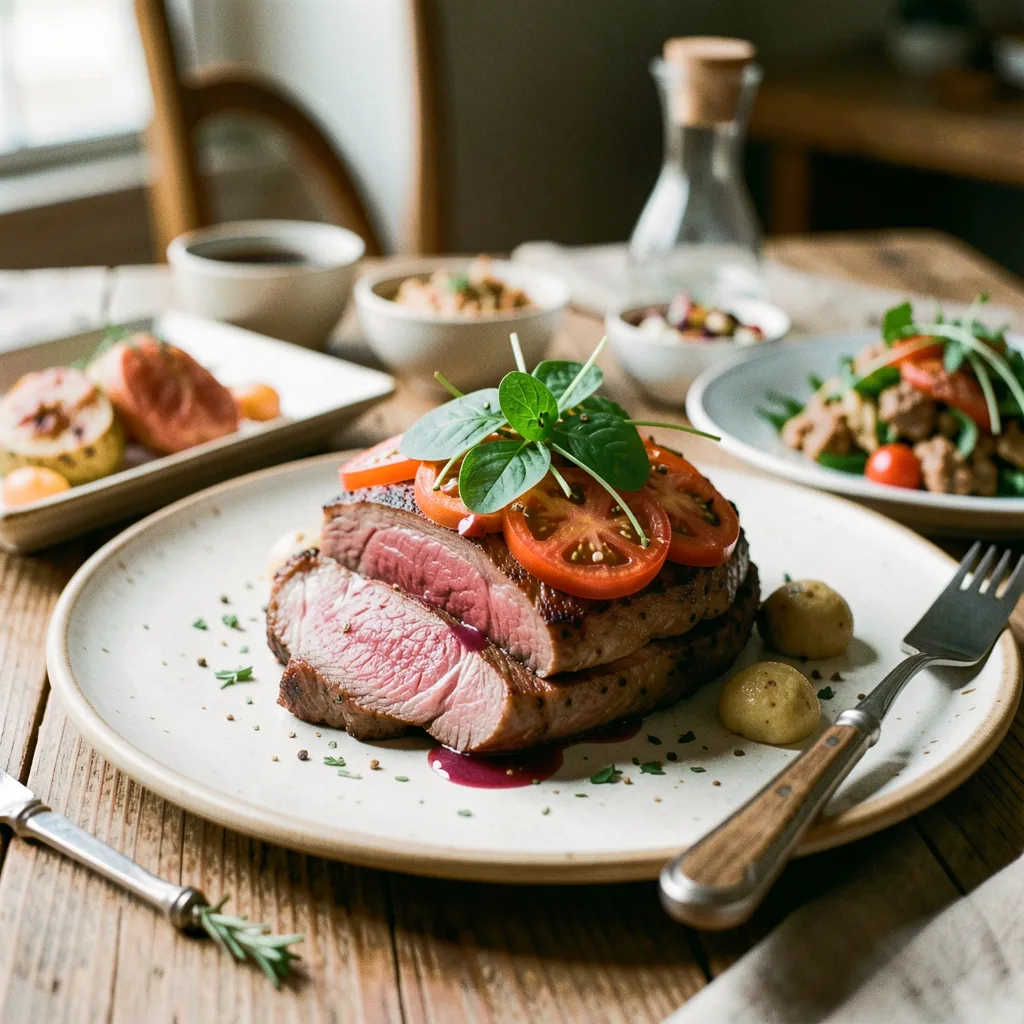
Precision Tools
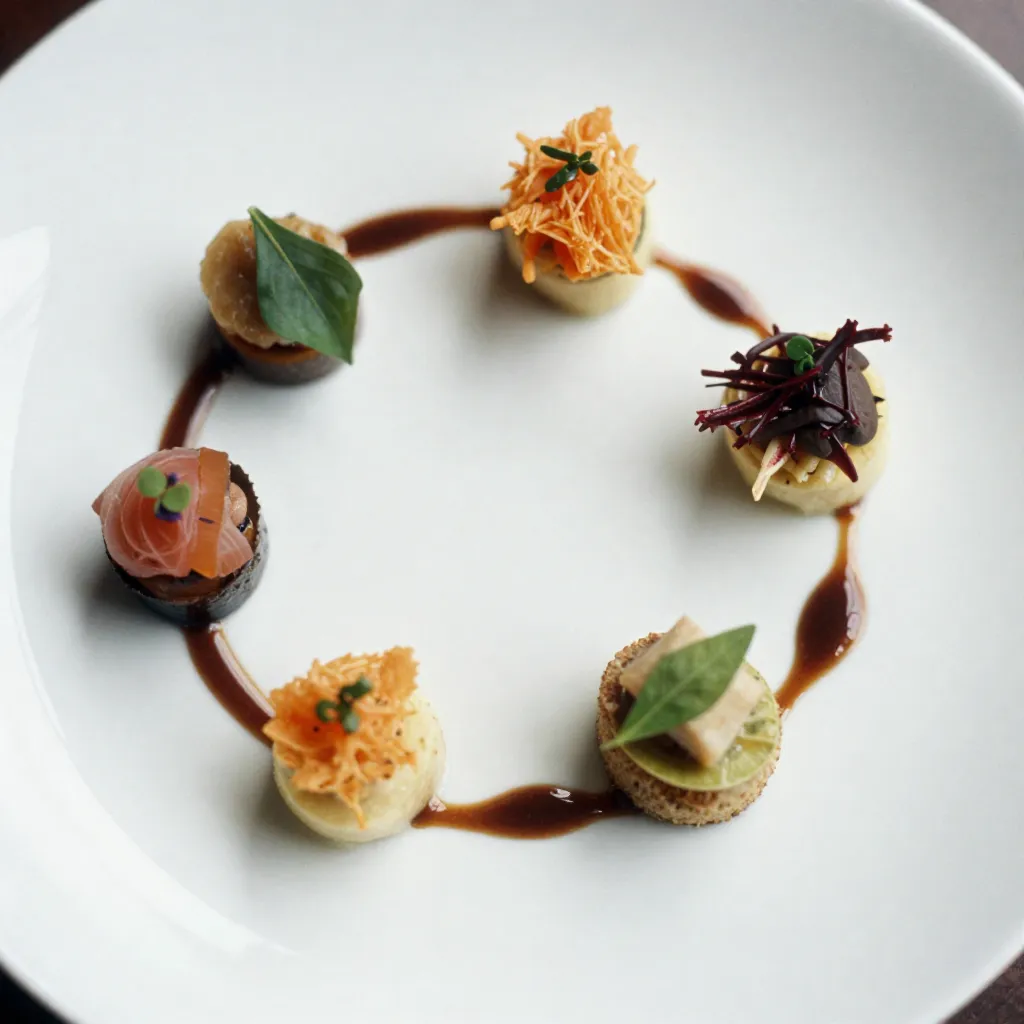
Micro-Adjustment Instruments
Tweezers, brushes, and specialized tools allow for millimeter-precise placement of elements. Each adjustment contributes to the overall composition.
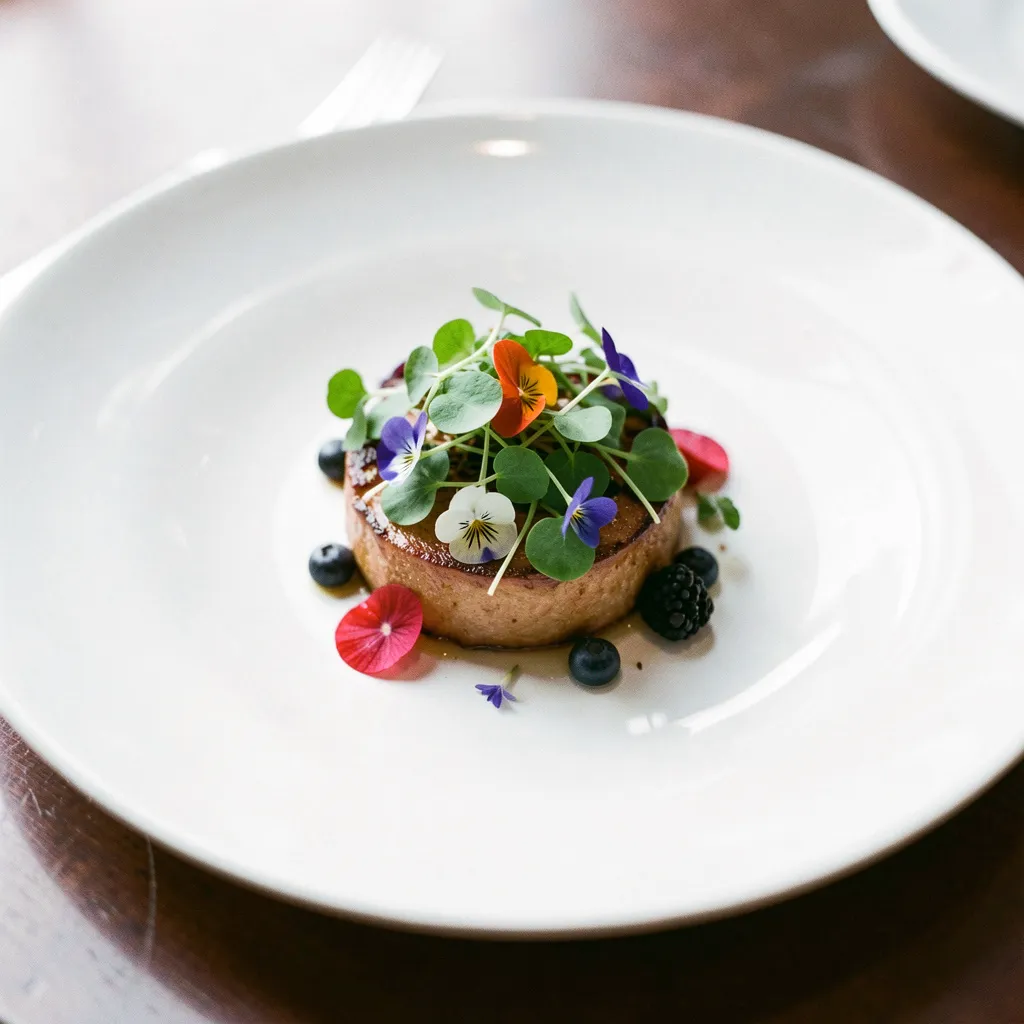
Surface Treatment
Sprayers, brushes, and applicators maintain optimal surface conditions. The goal is preservation of visual appeal throughout the photography process.
Atmospheric Techniques
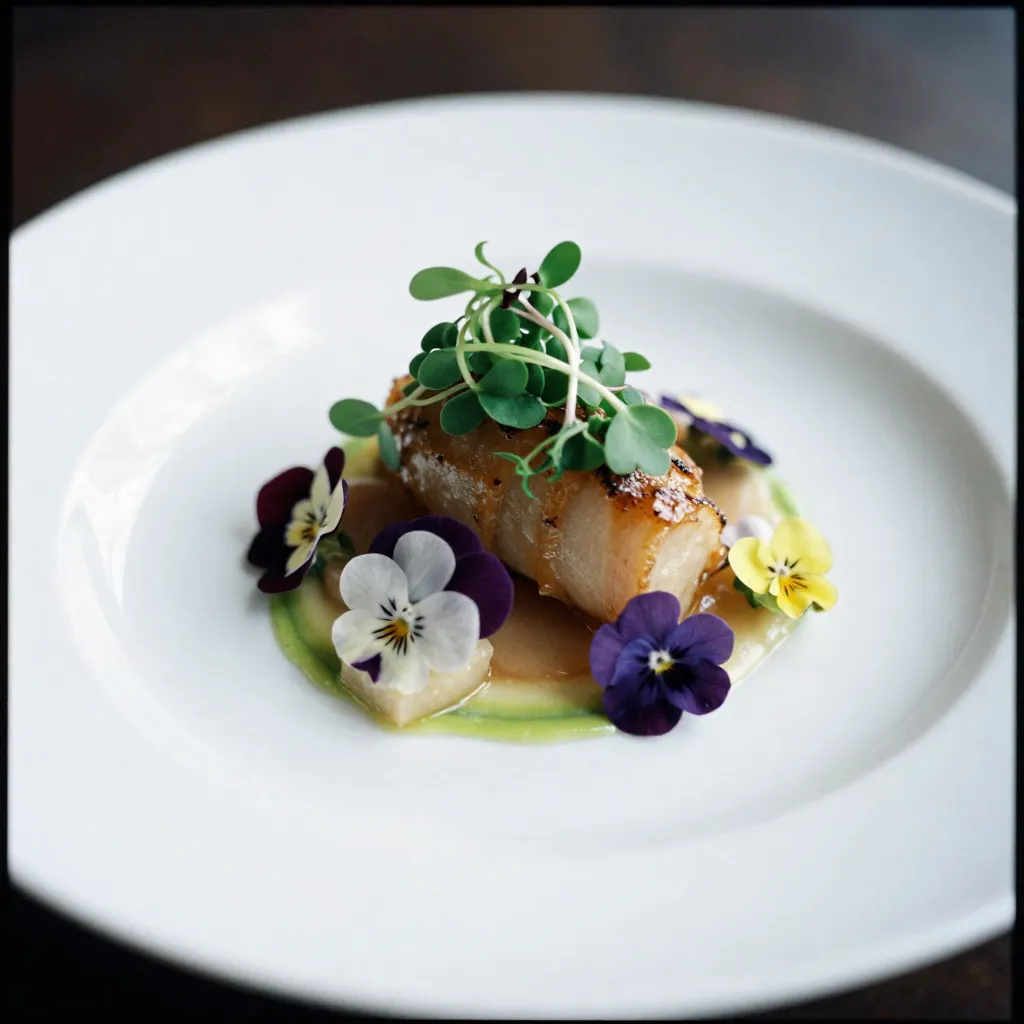
Steam Generation
Steam machines and controlled heating create atmospheric effects that suggest freshness and temperature. Timing is critical—the effect must be captured at its visual peak.
These techniques add dimension and life to static compositions. The movement of steam creates dynamic elements within otherwise still imagery.
Prop Selection
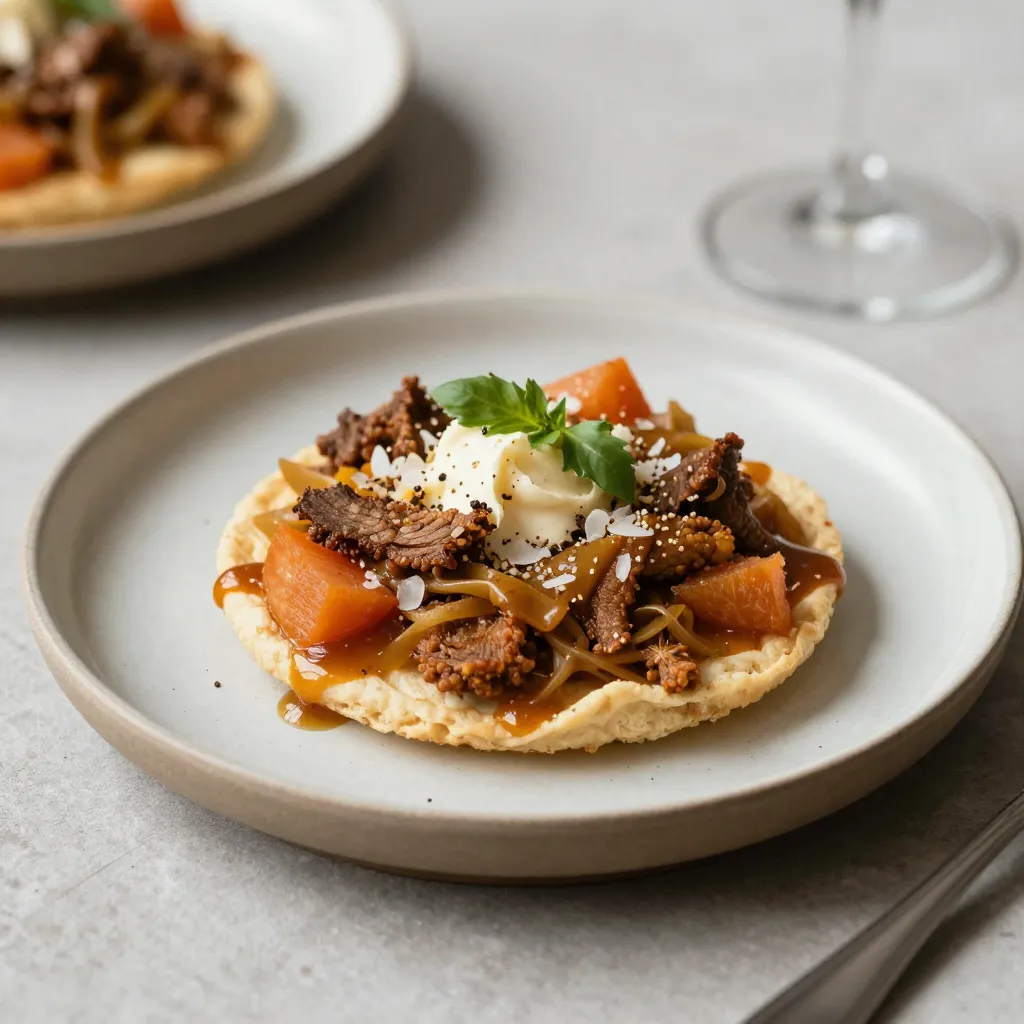
Background Elements
Surfaces, fabrics, and objects are selected to complement the main subject without overwhelming it. Each prop serves a specific visual function.
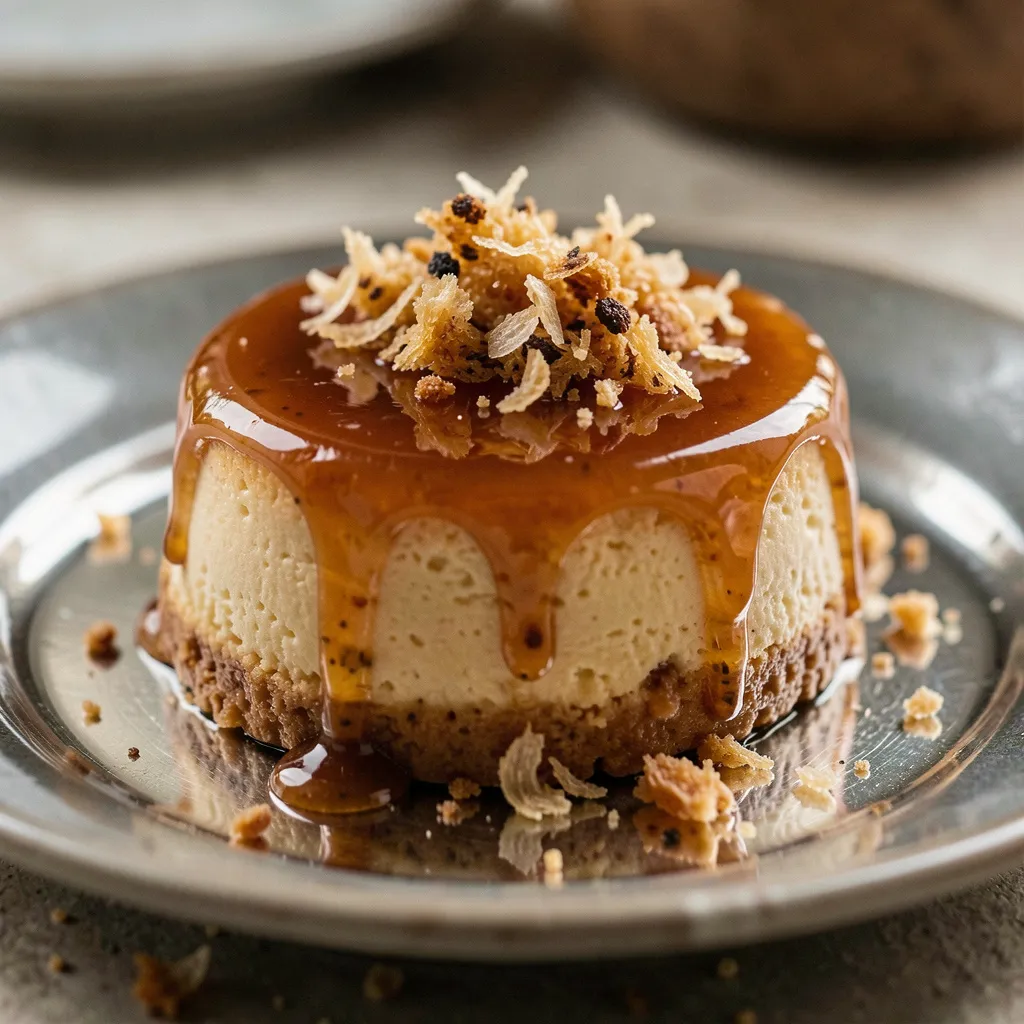
Supporting Elements
Garnishes, utensils, and decorative items add context and visual interest. Their placement follows the same compositional principles as the main subject.